
Can Unpaid Tolls Go to Collections?
You’ll learn how an unpaid toll moves from invoice to fees to collection agency, and how to check whether it reaches your credit reports.
 Lucía MorenoNov 11, 20269 min read

Lucía Moreno writes about FCRA disputes, how the credit bureaus work and identity theft for Latino readers in the United States. Lucía spent six years translating bureau letters and explaining consumer rights at a community nonprofit. Lucía cites the law by section number and always leaves a clear next step.
You’ll learn how an unpaid toll moves from invoice to fees to collection agency, and how to check whether it reaches your credit reports.
Lucía MorenoNov 11, 20269 min read
Learn which paycheck deductions reduce disposable earnings under 15 U.S.C. § 1672 and which do not, since that figure sets how much of your pay a garnishment can reach.
Lucía MorenoNov 4, 202612 min read
Dovly’s free plan files disputes with TransUnion only, leaving Experian and Equifax untouched. Here is what that gap means and how to handle the other two bureaus.
Lucía MorenoNov 3, 202612 min read
Learn which four states generally protect your wages from credit card debt garnishment, and what a creditor must do first in the rest.
Lucía MorenoNov 2, 202612 min read
You will learn what The Credit People’s Trustpilot reviews say, what the monthly fee covers, and who handles the dispute letters.
Lucía MorenoNov 2, 20269 min read
You learn why each bureau needs its own dispute, how to send all three in one round, and why the company that reported the error must be contacted too.
Lucía MorenoOct 29, 202613 min read
Learn whether billing stops when you cancel CreditRefresh, what happens to letters already sent, and whether leaving costs you anything.
Lucía MorenoOct 28, 202610 min read
You learn who must investigate under Section 611 versus Section 623, how long each process takes, and when to escalate from a bureau dispute to the furnisher.
Lucía MorenoOct 27, 20269 min read
Learn when debt collectors can text you, what they cannot say, and how to stop the messages through your federal rights.
Lucía MorenoOct 26, 202612 min read
Learn why lenders can’t tell software from services, and how to choose between them based on control, cost and whether your disputes are valid.
Lucía MorenoOct 25, 202610 min read
You will learn why a good credit score doesn’t guarantee approval, what else lenders weigh, and how the denial notice tells you the specific reasons.
Lucía MorenoOct 25, 202610 min readLearn how to dispute an inaccurate child support entry with each credit bureau, what the bureau must do within its deadline, and which errors to look for.
Lucía MorenoOct 24, 202610 min read
You will learn the utilization target lenders look for, why timing a payment before the statement closes helps, and how to challenge an error on your report.
Lucía MorenoOct 24, 20269 min read
You’ll learn when a collection must be paid before a mortgage and when it doesn’t, plus how to check each account before spending down-payment cash.
Lucía MorenoOct 23, 202612 min read
You will learn what the automatic stay under 11 U.S.C. § 362 blocks, which collection acts count as violations, and why it does not touch your credit reports.
Lucía MorenoOct 23, 202612 min read
You will learn how to get the adverse action notice, request your free tenant screening report, and dispute each inaccurate entry in writing.
Lucía MorenoOct 22, 202611 min read
You’ll learn why a short sale shown as a foreclosure counts as an inaccurate entry, which documents to send, and how the bureau’s investigation duty applies.
Lucía MorenoOct 22, 202611 min read
You will learn how accounts opened in your name without consent show up on your reports, and the steps to dispute them and start rebuilding.
Lucía MorenoOct 21, 20269 min read
You will learn the order to follow: end the authorized-user link with the card issuer first, then dispute the tradeline with each bureau that still shows it.
Lucía MorenoOct 21, 202611 min read
Learn why a credit repair company does not need your monitoring login or power of attorney to dispute errors, and how you can send the letters yourself.
Lucía MorenoOct 20, 20269 min read
Learn what NCTUE reports on, how it differs from your main credit files, and how to challenge an inaccurate item under the Fair Credit Reporting Act.
Lucía MorenoOct 20, 202610 min read
You will learn why keeping cards open and using them lightly helps your score, and why habits alone cannot fix the errors already on your reports.
Lucía MorenoOct 16, 202610 min read
Learn why no federal agency repairs credit, what free government protections you already have, and how to dispute errors yourself without paying a firm.
Lucía MorenoOct 16, 20269 min read
Learn why a credit lock or freeze won’t fix a wrong debt, and which step actually starts the bureau’s investigation.
Lucía MorenoOct 15, 202611 min read
Learn how to confirm an unfamiliar loan on your credit reports and the order of steps for disputing it with each bureau and the lender.
Lucía MorenoOct 14, 202611 min read
You will learn how to tell a resold debt from a mixed file, and which of two written disputes fits each case.
Lucía MorenoOct 14, 202610 min read
Learn when a lender can take your car without warning under UCC Section 9-609, why default is defined by your contract, and why state law decides whether notice is owed.
Lucía MorenoOct 13, 202610 min read
You learn when a private collector can reach your bank account, which federal debts are the exception, and how wage garnishment limits apply.
Lucía MorenoOct 13, 202610 min read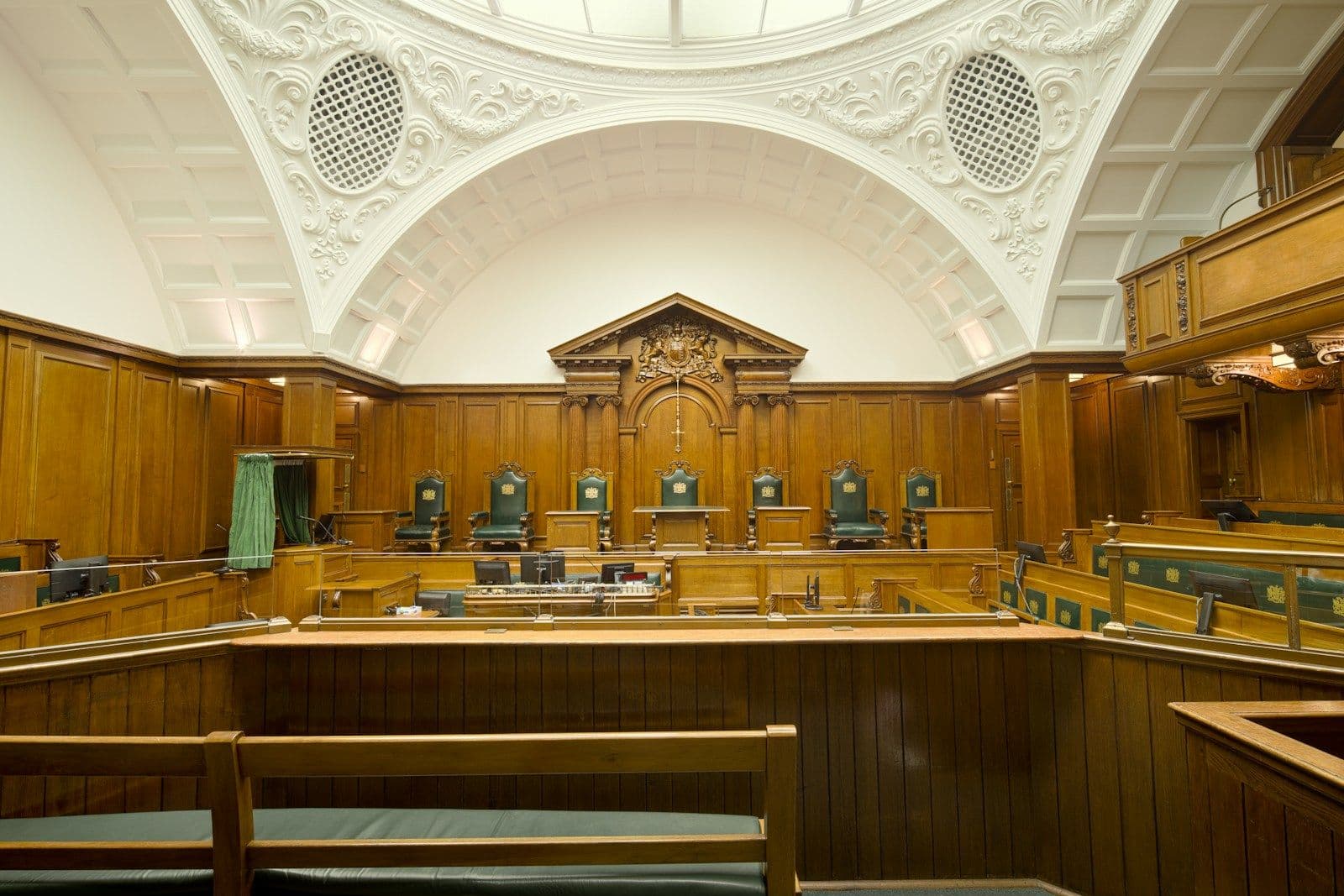
Learn what a default judgment is, why ignoring a debt lawsuit lets the creditor win, and how to respond or challenge the ruling quickly.
Lucía MorenoOct 11, 202610 min read
Learn why an eviction filing usually stays off your credit report, when unpaid rent reaches it as a collection account, and how court judgments are handled.
Lucía MorenoOct 11, 202610 min read
Learn what the “stop contacting me” letter under FDCPA Section 805(c) actually does, what it leaves unchanged, and what records to keep.
Lucía MorenoOct 11, 202610 min read
Learn why you should check your credit reports for wrong or outdated items before deciding on bankruptcy, and what signs show when filing may be the right step.
Lucía MorenoOct 11, 20269 min read
Up to 4.7 million debt cases hit state courts in 2022, and most defendants had no lawyer. Here is what the record shows about hospital suits and what that means for your credit report.
Lucía MorenoOct 10, 202610 min read
Which debt relief methods cause the most credit damage, why missed payments are the real cause, and how long each option can stay on your report.
Lucía MorenoOct 9, 202610 min read
You will learn the four federal tools that can stop collector calls, how a written notice under Section 805(c) of the FDCPA works, and why the statute does not make a valid debt disappear.
Lucía MorenoOct 8, 202610 min read
Learn why a written request to stop collector contact leaves the credit report untouched, and which federal dispute route questions what gets reported.
Lucía MorenoOct 8, 202611 min read
A side-by-side look at what each service costs, who drafts the dispute letters, and what that difference means for your report.
Lucía MorenoOct 7, 202616 min read
A side-by-side look at what CreditRefresh and Credit Saint charge, who drafts the dispute letters, and what you actually see before anything mails.
Lucía MorenoOct 7, 202616 min read
Learn how Metro 2 status codes get lenders’ account data wrong on your report, and how the FCRA lets you dispute those errors with Equifax, Experian and TransUnion.
Lucía MorenoOct 6, 202612 min read
Pay for delete works while you still hold the money the collector wants. After you pay, a goodwill letter is a long shot, so check your report for errors first.
Lucía MorenoOct 6, 202610 min read
A forbearance pause can reach your report as a missed payment. Learn why servicers send it, why the mark is disputable, and how to check all three bureaus.
Lucía MorenoOct 5, 202612 min read
A score can rise while a dispute is open, and the rise comes from the notation, not the outcome. Learn what the bump means, what it doesn’t, and what the bureau decides.
Lucía MorenoOct 4, 20269 min read
Learn how a late student loan payment now lands in your credit file, why default is the faster danger, and how to check all three bureaus for errors worth disputing.
Lucía MorenoOct 4, 202610 min read
Credit Karma’s Direct Dispute reaches only TransUnion. Learn why one dispute leaves two bureau files untouched, and what a dispute needs to carry before an investigation can change anything.
Lucía MorenoOct 3, 202610 min read
The right to dispute is the same whether you write the letter or software does. Learn what actually differs: cost, time, customization, and tracking across three bureaus.
Lucía MorenoOct 2, 202611 min read
Learn the six things CROA says a credit repair contract must spell out, and the red flags that should make you walk away before you sign.
Lucía MorenoOct 1, 202611 min read
Credit monitoring tells you what changed. It never corrects an error. Learn where the gaps are and what a dispute tool does about inaccurate, incomplete, unverifiable or outdated items.
Lucía MorenoOct 1, 202610 min read
Both apps draft dispute letters you review. See how their plans, bureau coverage, mailing and tracking differ.
Lucía MorenoSep 30, 202612 min read
One day late costs you a fee and some interest, not your credit score. Learn where the 30-day line sits and what to do before you cross it.
Lucía MorenoSep 30, 20269 min read
Learn what a “verified” result means, why furnishers often confirm their own records, and which steps under the FCRA remain open to you after a dispute round fails.
Lucía MorenoSep 30, 202611 min read
Charge-offs, write-offs, closed accounts, and bankruptcy are not the same thing. Learn what you still owe, how long each reports, and when a dispute applies.
Lucía MorenoSep 29, 202610 min read
A filed dispute keeps its own 30-day FCRA clock when you leave. Learn what to collect from your old company so the next one doesn’t start blind.
Lucía MorenoSep 29, 202611 min read
See how CreditRefresh’s drafted-for-you letters compare to DisputeBee’s DIY templates, so you know which fits your kitchen-table dispute pile.
Lucía MorenoSep 28, 202615 min read