
Can Student Loans Be Removed From a Credit Report?
An accurate student loan cannot be deleted, but federal rehabilitation removes the default record and several servicer reporting errors are disputable.
 Devon ParkAug 9, 202611 min read
Devon writes about debt collection practices and the small print collectors hope you won't read. Background in regulatory affairs.
An accurate student loan cannot be deleted, but federal rehabilitation removes the default record and several servicer reporting errors are disputable.
Devon ParkAug 9, 202611 min read
A charge-off leaves without payment only when it is misreported, unverifiable or past its reporting period. Two sample letters and the date that decides it.
Devon ParkAug 6, 202611 min read
A collection dispute letter is really two letters. Validation requests go to the collector under FDCPA 809; credit disputes go to the bureaus under FCRA 611.
Devon ParkAug 3, 202611 min read
A pay-for-delete letter offers a collector money to remove a collection rather than mark it paid. No law requires them to accept, and the account falls off at seven years either way.
Devon ParkJul 31, 202611 min read
Collections can come off without payment through debt validation, accuracy disputes, and the seven-year reporting limit. What each route can and cannot do.
Devon ParkJul 28, 202611 min read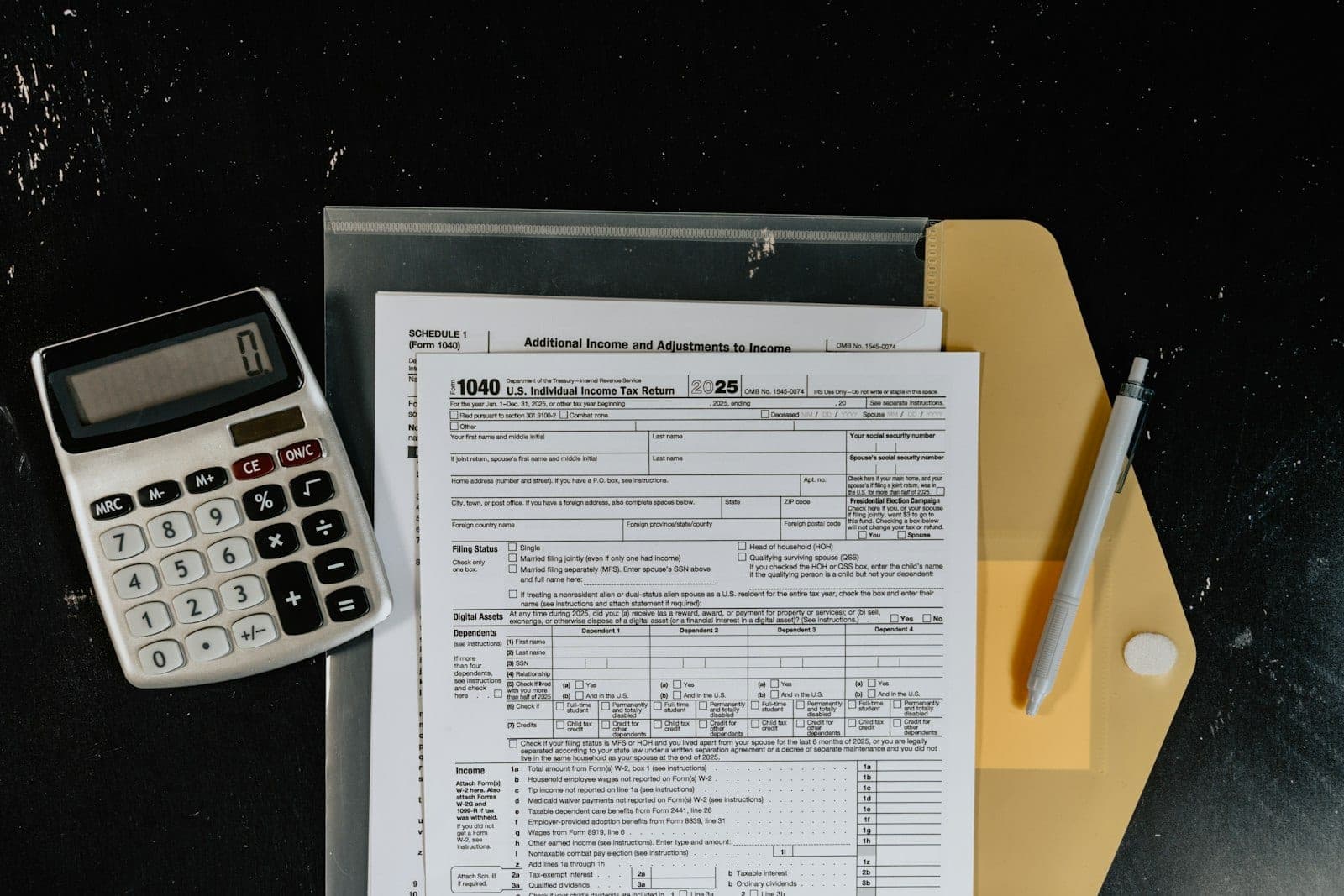
Settling a debt can create a tax bill. Here is how cancellation of debt income works, when a 1099-C is issued, and which exclusions can remove the tax.
Devon ParkJul 23, 202611 min read
Debt collectors locate people through skip tracing. Here are the five data layers they work, the FDCPA limits on who they may call, and why being findable is the cheaper position.
Devon ParkJul 20, 202611 min read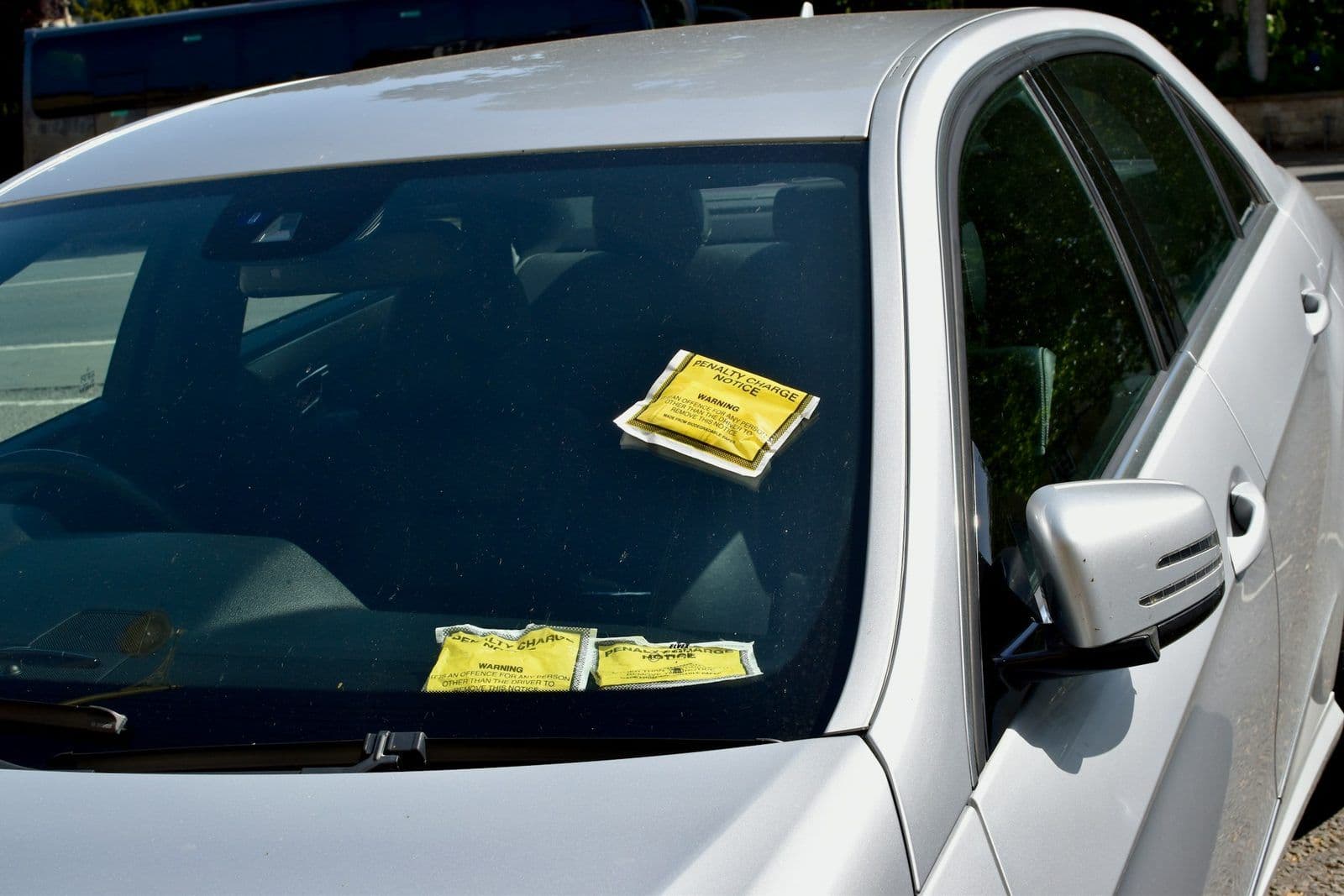
Unpaid tolls and parking tickets do not directly affect credit. Damage starts only when the balance goes to a collection agency that reports it.
Devon ParkJul 17, 202611 min read
Enhanced Recovery Company (ERC) collects telecom and utility debt. Here is how to validate, dispute, or age off an ERC collection under federal law.
Devon ParkJul 14, 202611 min read
IC System collects for the creditor and never bought your debt. Here is how to validate it, dispute what it reports wrong, and read the seven-year clock.
Devon ParkJul 11, 202611 min read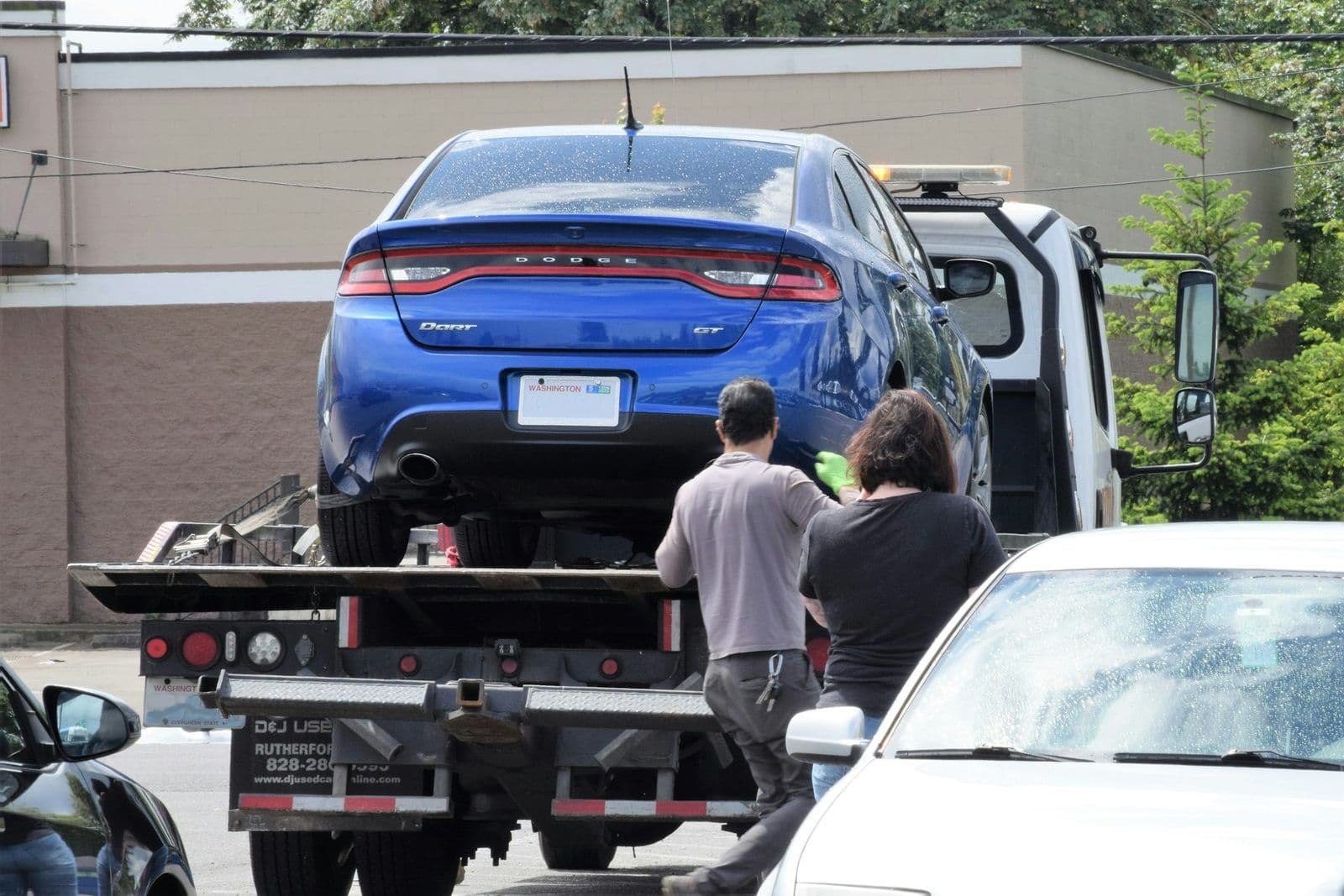
A deficiency balance is what a borrower still owes after a repossessed vehicle is sold and the sale proceeds are applied to the loan.
Devon ParkJul 8, 202611 min read
Regulation F presumes a debt collector violates the law above seven call attempts in seven days about one debt, and again if it calls within seven days of a live conversation. Here is how the counts work, per debt, and what to do about the tradeline afterward.
Devon ParkJul 5, 202611 min read
A collection account can be removed through a verified FCRA dispute, debt validation request, pay-for-delete agreement, or goodwill deletion. This guide covers all four paths under federal law.
Devon ParkJun 28, 202611 min read
No bureau holds your lease, so leaving early is invisible. The move-out balance is not. Here is the 180-day clock, the tenant screening file, and how to keep the last bill out of collections.
Devon ParkJun 26, 202611 min read
The CFPB found 13% of general purpose card accounts were in persistent debt in 2024, where interest and fees exceeded principal payments. Here is how to build an inventory, pick a payoff method, and use your FDCPA rights while you repay.
Devon ParkJun 19, 202611 min readCredence Resource Management collects telecom and medical debts. The validation, dispute, and negotiation playbook that gets inaccurate entries deleted.
Devon ParkJun 15, 202610 min read
LVNV Funding owns the debt and Resurgent Capital Services collects it. Here is how to demand the chain of title, dispute the tradeline, and read the seven-year clock.
Devon ParkJun 14, 202611 min read
Midland Credit Management collects debt bought by Midland Funding. Here is how to validate, dispute, and lawfully remove a Midland collection.
Devon ParkJun 13, 202611 min read
Portfolio Recovery Associates buys charged-off debt and reports it as a collection. Here is how to validate, dispute, and lawfully remove it.
Devon ParkJun 12, 202611 min read
Jefferson Capital Systems buys charged-off debt and reports it as a collection. Here is how to validate, dispute, and lawfully remove it.
Devon ParkJun 8, 202611 min read
A collector may ask a relative once where you live, where you work and what number reaches you. Saying a debt is involved breaks 15 U.S.C. 1692b on the first sentence.
Devon ParkJun 7, 20269 min read
From the first missed payment to the collection tradeline: the full timeline, the validation rights that kick in, and the order to handle it.
Devon ParkJun 5, 202612 min read
Settlement walks your accounts through months of late payments before any deal, then adds a settled remark and possibly a 1099-C. Consolidation costs a hard inquiry and a new account. Here is how each reports, what each costs, and where each goes wrong.
Devon ParkMay 31, 202612 min read
A collector may call your job until it knows your employer forbids it or you tell it work is inconvenient, and may never tell your boss about the debt. Here is the notice that ends it.
Devon ParkMay 29, 202611 min read
What “AI generates dispute letters” actually means, second by second: the triple-bureau pull, reconciliation, FCRA classification, letter generation, and human review.
Devon ParkMay 25, 20269 min read
Credit repair companies charge $2,400 a year for template letters the bureaus’ automated systems are designed to dismiss. Here is what those letters look like.
Devon ParkMay 20, 20269 min read
The $4 billion credit repair industry is in the middle of being eliminated. AI compressed five hours of paralegal labor into seconds. Here is what happens next.
Devon ParkMay 19, 20269 min read
ChatGPT can write something that looks like a credit dispute letter. The reason those letters get marked verified comes down to five structural gaps in how general-purpose AI handles this workflow.
Devon ParkMay 18, 202610 min readThe $200/month credit repair model exists because of one bottleneck: manual paralegal labor. AI eliminates every step except the part where you approve letters.
Devon ParkMay 14, 20268 min read
The credit repair industry has built a $4 billion business selling consumers their own federal rights back at a markup. Here is what those rights actually are.
Devon ParkMay 13, 20269 min read
Pull, find, send. Three verbs that describe what CreditRefresh does. Each one replaces hours of manual work. Here is what the compression adds up to.
Devon ParkMay 11, 20268 min read
A hypothetical 47-second scan on a real-looking credit file. Re-aged dates, cross-bureau inconsistencies, single-bureau late payments, outdated items.
Devon ParkMay 9, 20269 min read
Chapter 7 stays on credit reports for 10 years while completed Chapter 13 typically falls off after 7. This guide compares the two chapters on credit score impact, debt reporting, and recovery trajectories.
Devon ParkApr 30, 202613 min read
Credit bureaus can reject disputes as frivolous under FCRA Section 611(a)(3), refusing to investigate. This guide explains when the classification is appropriate, when bureaus misuse it, and how to respond effectively.
Devon ParkApr 28, 202613 min read
A debt sale does not restart the credit-reporting clock. Compare the date of first delinquency with the original account records, then dispute a date that extends the reporting window.
Devon ParkApr 26, 202613 min read
Overdrafts live outside the credit bureaus, and the bank charges the balance off at 60 days. Here is where the damage lands: a ChexSystems record first, a collection tradeline only if the debt is sold.
Devon ParkApr 19, 20269 min read
The FDCPA gives you 30 days from receipt of the collector’s written notice to demand validation of a medical debt, and collection must stop until verification is mailed. Here is what the notice must contain, what HIPAA limits a collector can show, and how validation differs from an FCRA credit bureau dispute.
Devon ParkApr 17, 202613 min read
Paying a collection changes the status field and the balance, not the seven-year reporting window. Whether it moves a score depends on which model the lender pulls, and paying an old debt can restart your state’s lawsuit clock.
Devon ParkApr 11, 202612 min read
Ignoring a collector forfeits leverage without stopping anything: reporting continues, lawsuits arrive unanswered, and default judgments follow. Here is why.
Devon ParkApr 10, 202610 min read
Bankruptcy resolves everything at once under court protection; settlement trades years of damage for partial forgiveness. Here is the honest comparison.
Devon ParkApr 2, 202611 min read
A wage garnishment is not reported to any credit bureau, and neither is the judgment behind it since the bureaus removed civil judgments in July 2017. What reports is the charge-off, on a clock that runs seven years from 180 days after the delinquency.
Devon ParkMar 29, 202614 min read
You already know grocery prices are higher than they used to be. You feel it every time you load the cart with the same items and watch the total climb past where it was a year ago.
Devon ParkMar 28, 20269 min read
Buy now, pay later was supposed to be the friendlier alternative to credit cards: split a purchase into four interest-free payments and skip the debt trap. Here is what the late-payment data shows, and when a missed payment reaches your credit report.
Devon ParkMar 24, 20266 min read
If you’re reading this with a knot in your stomach because you just looked at your credit card statement, take a breath. You’re not irresponsible. You’re not bad with money. And you’re definitely not alone.
Devon ParkMar 22, 20269 min read
Zombie debt is old written-off debt that gets resold and pursued years later. This guide covers the statute of limitations, the seven-year FCRA reporting window, and the four-quadrant defense framework.
Devon ParkMar 18, 202614 min read
A pay-for-delete agreement asks a debt collector to remove a tradeline in exchange for payment. This guide covers when the negotiation works, the contract terms that protect the consumer, and the federal-law alternatives.
Devon ParkMar 15, 202614 min read
A debt validation letter is a written demand under FDCPA Section 1692g that forces a collector to verify a debt and stop collection until it mails proof. Here is the 30-day window, what counts as adequate validation, and how it differs from an FCRA Section 611 dispute.
Devon ParkMar 12, 202613 min read
Collateral sets the speed and severity of every default. Here is how secured and unsecured debt differ in enforcement, triage, bankruptcy and on the credit file.
Devon ParkMar 11, 202610 min read
FCRA Section 605(c)(1) starts the seven-year clock 180 days after the delinquency that preceded the charge-off, not at the auction. Here are the specific repossession fields you can dispute, what UCC Article 9 notice failures reach, and why pay-for-delete is a negotiation rather than a right.
Devon ParkMar 7, 202613 min read
A collector who calls at 7:40, inflates a balance, or tells your brother what you owe has broken three different subsections of 15 U.S.C. 1692. Here is the checklist, subsection by subsection, and what the claim is worth.
Devon ParkMar 4, 202612 min read
Collectors may only collect amounts the original contract authorizes or state law permits. Here is how inflated balances happen and how to audit one.
Devon ParkMar 3, 202610 min read
A debt collection lawsuit is answered in writing, by the deadline the court that issued the summons sets. Pew found default judgments in more than 70% of debt suits where court data exist.
Devon ParkMar 2, 202612 min read
Most state statutes of limitations on consumer debt run three to six years, and a time-barred debt cannot be sued on. The FCRA seven-year reporting window runs on its own clock, and a partial payment can revive an expired statute in many states.
Devon ParkFeb 22, 202612 min read
Payday lenders generally do not furnish on-time payments, so repaying builds nothing. The subprime specialty bureaus read every application, the bank account absorbs the damage first, and default reaches the report as a collection.
Devon ParkFeb 20, 202610 min read
A charge-off is the lender’s write-off of an account 180 days past due on a card or 120 on a loan. You still owe it, it can be sold and listed twice, and it reports for about seven and a half years from the first missed payment.
Devon ParkFeb 19, 202612 min read
A collection comes off through a bureau dispute the collector cannot verify, an identity theft block, a written pay-for-delete, the bureaus’ medical-debt policy, or the reporting window. Which route works depends on what is wrong with the account.
Devon ParkFeb 18, 202612 min read
609 dispute letters sometimes work, but not because of any special legal authority. The actual dispute right is FCRA Section 611. Here is what 609 covers and what it does not.
Devon ParkFeb 16, 202612 min read
Federal student loans default at 270 days. Nine voluntary payments within 20 days of each due date rehabilitate the loan, and the Department instructs the bureaus to delete the default.
Devon ParkFeb 12, 202611 min read
Chapter 7 stays on a credit report for 10 years from filing. Chapter 13 stays for seven years at most bureaus. Score recovery is faster than the report timeline.
Devon ParkFeb 8, 202613 min read
Debts are paid by the estate, not inherited by family, with narrow exceptions for co-signers, joint accounts, and community property states.
Devon ParkFeb 4, 202611 min read
A goodwill letter asks a creditor to remove an accurate late payment as a courtesy. Here is how to write one that has a real chance of working in 2026.
Devon ParkFeb 2, 202612 min read
Medical debt under $500 is no longer reported, and paid medical collections of any size have been removed from credit reports since 2023. Here is how the rules work in 2026.
Devon ParkJan 31, 202612 min read
A charge-off does not change who owns a debt; a sale does. How to read the validation notice for the current creditor, what a debt buyer must prove, and which clocks never restart.
Devon ParkJan 29, 202611 min read
A collector discounts because it paid little for the account and can document less than the letter suggests. Here is the written sequence, from the validation demand to a signed settlement.
Devon ParkJan 25, 202613 min read
A nonprofit agency collects one payment and pays your creditors at reduced rates over three to five years. Here is what closing the enrolled cards does to your file, what the counseling notation means, and which debts stay outside the plan.
Devon ParkJan 21, 202612 min read
Credit repair moves items carrying a defect: inaccurate, incomplete, unverifiable, or too old to report. It does nothing to an accurate, verifiable late payment, and the skepticism belongs to the industry rather than the statute.
Devon ParkJan 15, 202610 min read
A collection leaves a credit report four ways: an FCRA dispute over an inaccurate, incomplete or unverifiable entry, a written pay-for-delete agreement, a goodwill request once it is paid, or the Section 605 reporting period running out. FDCPA validation pauses collection but deletes nothing.
Devon ParkJan 14, 202610 min read
Consumer debt is civil, and a collector who threatens arrest breaks the FDCPA. The only route to a warrant is an ignored court order. Here is where the real risk lives.
Devon ParkJan 10, 202612 min read
Credit bureaus sell reports, scores and verification to lenders, employers, landlords and insurers. The people in the files are the inventory, and the FCRA is the one duty that runs the other way.
Devon ParkJan 6, 20269 min read
Where the $2,400/year credit repair fee actually goes: labor, acquisition, support, compliance, technology, margin. The math, line by line.
Devon ParkDec 31, 20259 min read
Private collectors cannot garnish Social Security, SSI, or VA benefits, even with a judgment. Here are the protections and how to enforce them.
Devon ParkDec 27, 202512 min read
Surrendering a car saves fees, not the score: both repossession types report for seven years. Here is the deficiency math and the alternatives.
Devon ParkDec 26, 202512 min read
FDCPA § 805(c) requires a debt collector to stop nearly all contact after a written cease request. Here is how the right works and when to use it.
Devon ParkDec 21, 202511 min read