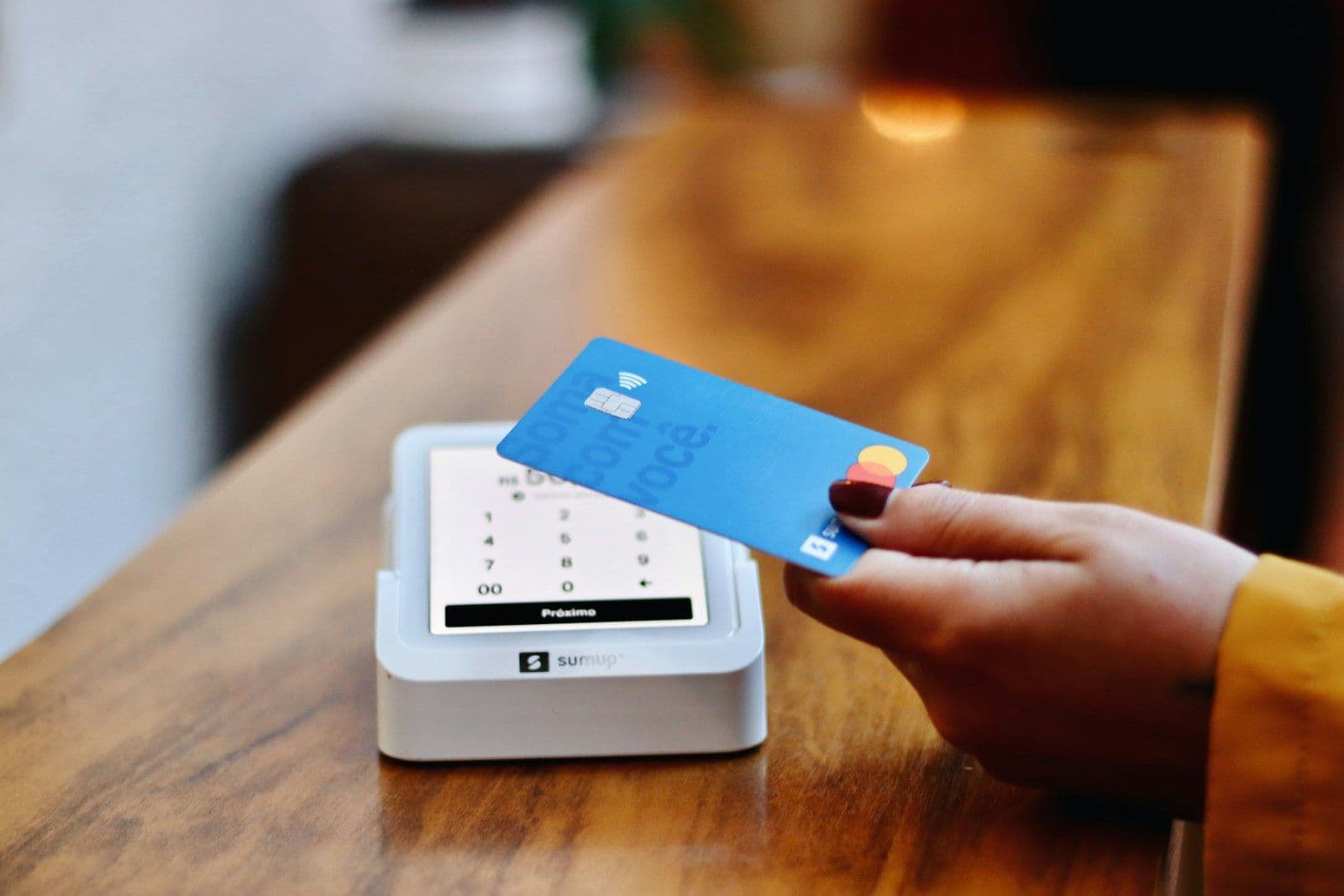

A college student builds credit by opening one starter account that reports to the bureaus, such as a student card, a secured card, or authorized-user status, then paying it on time and keeping the reported balance low. FICO will not produce a first score until that file holds an account at least six months old, so the months you spend waiting are part of the plan.
The hard part is that you start with nothing to show a lender. The CFPB’s study of how people acquire a first credit record found that 77% of consumers who left credit invisibility did so before turning 25. Credit cards created that first record for 37.6% of them, student loans for 15.8%, and a third-party debt collection account for 12.0% (CFPB, 2017). That last group opened their credit history with a debt in collection, which is the start you are trying to avoid.
Federal law shapes the options before you apply. Under the Credit CARD Act, codified in Regulation Z section 1026.51, an applicant under 21 must show independent ability to repay or add a cosigner before a card issuer can approve the account.
This article is for students new to credit who are starting a file for the first time. It does not cover rebuilding a score after missed payments or collections, which involves a different and longer set of steps.
Regulation Z Makes a Student Under 21 Show Income or a Cosigner
A student under 21 can get a credit card, but Regulation Z adds a requirement. The card issuer must have a written application plus either financial information showing the applicant’s independent ability to make the required minimum payments, or the signed agreement of a cosigner, guarantor or joint applicant at least 21 years old who shares liability and can make those payments. The same test applies again before the issuer can raise that account’s limit while you are under 21.
Income from a part-time or campus job can satisfy the ability-to-pay test. Financial aid counts only in part: the official commentary to the rule says student loan proceeds may be treated as income only to the extent they exceed what is disbursed or owed to the school for tuition and other expenses. Without qualifying income, a parent or other adult cosigner who shares liability is the path the CFPB rule allows for younger applicants.
At 21 the cosigner requirement falls away. The same section then lets an issuer count income or assets you have a reasonable expectation of access to, which widens what qualifies beyond your own paycheck.
Regulation Z also polices how cards are sold to you. Under 12 CFR 1026.57(c), no card issuer may offer a college student a tangible item to apply for a card when the offer is made on campus, near campus, or at an event the school sponsors or is related to, and the official commentary defines near campus as within 1,000 feet of the campus border. A free T-shirt at the student union in exchange for an application is the practice that rule bans.
Your Income Decides Which of 4 Starter Accounts You Can Open
The right first account depends on your income and whether someone will cosign or add you to a card. Three routes put a reporting account on an empty file, and a fourth, the credit-builder loan, suits a student who wants an installment account and has no card access at all.
| Option | How it works | Best for | What it costs you |
|---|---|---|---|
| Student credit card | Unsecured card for enrolled students | Students with part-time income | Interest only if you carry a balance |
| Secured credit card | Card backed by a refundable deposit | Students with no income or a thin file | A deposit that usually sets the limit |
| Authorized user | Added to a parent’s existing card | Students whose parent pays on time and keeps balances low | Nothing, if the issuer reports you |
| Credit-builder loan | Payments on a locked loan, released to you later | Students who want an installment account | Interest and fees on the loan |
None of these is automatically best for everyone. A student with steady income may qualify for a student card directly, while one without income often starts as an authorized user or with a secured card and graduates to an unsecured product later.
The CFPB names secured cards, credit-builder loans and retail store cards as products whose payments are reported to the three nationwide credit reporting companies, and names debit cards, prepaid cards, cash and payday loans as products whose payments typically are not. A debit card used carefully for four years builds nothing on a credit report.
Open a First Account in 5 Steps, Then Let It Report for 6 Months
Opening a first account works best as a short, deliberate sequence. Each step protects the new file from the two early mistakes that do the most damage, a missed payment and a high reported balance on a thin history.
- Choose one starting product: a student card, a secured card, or authorized-user status.
- Confirm the account reports to Equifax, Experian and TransUnion, since reporting is what builds the file.
- Put one small recurring bill on it, such as a phone plan or a streaming subscription, and nothing else.
- Set up automatic payment for at least the minimum, and pay the full statement balance before the due date.
- Pull all three credit reports after about six months to confirm the account is reporting correctly.
Authorized User Status Built 9.6% of First Credit Files
Becoming an authorized user adds a student to an established account, and that account’s history can appear on the student’s own credit report. In the CFPB’s 2017 study, authorized-user status created the first credit record for 9.6% of consumers, and another 15% opened their earliest account with a co-borrower, so close to one first file in four rested on an account someone else was also responsible for.
The benefit depends on the primary account’s habits and on whether the issuer reports authorized users to the bureaus. An old card paid on time with a low balance is worth inheriting, while a card carrying late payments or a run-up balance moves your file the wrong way. You do not need to hold the physical card for the history to report. Fair Isaac restored authorized-user accounts to the FICO 08 calculation in 2008 with changes it said reduce the effect of paid tradeline schemes, so a genuine authorized-user line on a parent’s card still counts in that model. The full mechanics are detailed in the guide to the authorized user credit card.
Half of Unscored Secured Cardholders Moved to Unsecured Within 30 Months
A secured credit card requires a refundable cash deposit that usually sets the credit limit. It functions like a regular card and reports to the bureaus, which makes it a reliable way to build history when a student has no income or no credit file yet.
The Federal Reserve Bank of Philadelphia tracked how often secured cardholders at the largest banks graduate to an unsecured card. About 33% of borrowers with no credit score when they opened the card had graduated by month 12, and about 50% by month 30, and at graduation the deposit is released in full while the account’s history and opening date carry over (Federal Reserve Bank of Philadelphia, 2024). The same study found 49.6% of new secured cards in 2022 carried a $200 limit, so plan for a small ceiling.
Watch the fees on a low-limit card. Regulation Z at 12 CFR 1026.52(a) caps the fees you are required to pay in the first year after account opening at 25% of the opening credit limit, which is $50 on a $200 card, with late, over-limit and returned-payment fees outside that cap. The full mechanics, including how deposits and upgrades work, appear in the overview of secured credit cards.
Experian Boost Adds Phone and Streaming Bills to 1 Bureau of 3
Rent, phone and streaming bills you already pay leave no mark on a credit report unless someone furnishes them to a bureau. The opt-in services exist to close that gap, and each one reaches only the bureaus it reports to.
Experian Boost adds phone, utility and streaming payments to your Experian file and to no other. Experian says users who received a boost improved their FICO Score 8 from Experian by an average of 14 points, a figure that counts only the users who got a boost and only on one bureau’s score. A lender pulling Equifax or TransUnion reads the file you had before you enrolled. Treat bill reporting as a supplement to a card or loan you control, and read the details on whether utility bills affect credit before you pay for a service that promises more.
Payment History Is 35% of a FICO Score, So Automate the Minimum
On-time payments matter most because payment history is the largest scoring factor, weighted at 35% of a FICO Score, with amounts owed at 30% and length of credit history at 15%, according to myFICO. FICO’s published late-payment ladder starts at 30 days past due, and a missed payment that reaches it can stay on a credit report for up to seven years under Section 605 of the Fair Credit Reporting Act.
Automating at least the minimum payment prevents an accidental late mark when exams, travel or a changed bank account get in the way. Paying the full statement balance on top of that avoids interest and keeps utilization low at the same time. Interest is the cost of skipping that second step: the Federal Reserve’s G.19 release put the average rate on credit card accounts assessed interest at 22.15% in the second quarter of 2026.
A $150 Balance on a $500 Limit Reports 30% Utilization
Your issuer reports the balance on the statement closing date, so $150 on a $500 limit reports 30% even if you pay it in full a week later. Paying it down to $25 before the statement closes reports 5%. That ratio, called credit utilization, feeds the amounts-owed category, and it weighs heavily on a thin file where one card is the whole picture.
The 30% figure repeated on bank blogs is a rule of thumb; FICO publishes no utilization cutoff, and lower reported balances read better than higher ones. The reasoning behind the ratio is covered in credit utilization.
FICO Needs an Account 6 Months Old Before It Scores You
FICO will not generate a score until a credit report carries at least one account opened six months or more, at least one account reported to the bureau within the past six months, and no deceased indicator, according to myFICO. A single account can meet the first two conditions at once. The Consumer Financial Protection Bureau explains that scoring models need a minimum amount of recent history before they can generate a number at all.
VantageScore says its model scores consumers that the conventional six-month rule leaves unscored, which is why a free app may show you a number before a lender’s FICO pull returns one. Building that first score into a good range takes longer, because length of credit history is itself a scoring factor and can only grow with time. There is no way to manufacture account age, which is why opening a first account early is so valuable.
Patience compounds here in a way it rarely does later. A student who opens one account at 18 and manages it well can graduate with four years of credit history already established, a head start that is difficult to replicate after college.
Four Mistakes That Outlast College
Student credit mistakes come from treating a card as extra income or ignoring the monthly statement. The damage from a missed payment or a maxed-out card can outlast college by years and raise the cost of a first car loan or apartment.
- Carrying high balances. A reported balance near the limit pushes utilization up on a file with nothing else to offset it.
- Missing payments. No automatic payment is the usual cause, and a 30-day late can stay for up to seven years.
- Applying for several cards at once. A hard inquiry stays on a report for two years and counts in FICO Scores for 12 months, according to myFICO, and FICO’s rate-shopping grouping covers mortgage, auto and student loan inquiries, never card applications.
- Closing the first card after graduation. Closing it removes its limit from your available credit, which raises utilization on every balance you still carry.
Approval odds shown in a free app are an estimate, and each application behind one is a real inquiry. Eduardo F., a 1-star Trustpilot review, September 14, 2026, on Credit Karma: “Credit Karma gets people to apply for loans or credit cards with outstanding approval odds which I believe to be a complete lie. So they make me hurt your credit score with hard inquiries, when in actuality you have 0 approval odds, not outstanding.” On a file with one account, an inquiry that buys no card has cost you something and returned nothing.
The FTC Found 1 in 5 Consumers Had an Error on a Credit Report
A new file is short, so one wrong entry is a large share of everything a lender sees. The Federal Trade Commission’s national accuracy study found that one in five consumers had an error on at least one of their three credit reports, and that for 5% of consumers the error was serious enough to raise the price they pay for credit or insurance (FTC, 2013).
Card problems reach the regulator in volume. Our own read of the 95,511 credit card complaints recorded in the CFPB’s public Consumer Complaint Database between July 2025 and June 2026 found that, of those 95,511 complaints, 28.8% concerned a problem with a purchase shown on a statement, 11.7% incorrect information on a credit report, and 11.5% getting a credit card. These are unverified consumer allegations; the CFPB does not confirm the facts alleged, and a high count tracks company size as well as conduct.
The right to challenge anything wrong has been federal law since 1970. Under Section 611 of the Fair Credit Reporting Act, a bureau that receives a dispute must run a reasonable reinvestigation, generally within 30 days, and delete or correct what it cannot verify. Pull all three reports at the six-month mark and dispute anything that is not yours before a lender reads it first.
Student Loans Created 15.8% of First Credit Records
Student loans build credit when the servicer reports payments to the bureaus. An installment loan adds payment history and account age, and it diversifies the credit mix even while a student is still enrolled. In the CFPB’s study of first credit records, a student loan was the account that created the file for 15.8% of consumers, so a student with a disbursed loan may already have a report.
Loans in deferment may report differently before repayment begins. The risk arrives after graduation: newly defaulted federal student loan borrowers saw an average credit score drop of 91 points, from 567 to 476, between the third quarter of 2024 and the fourth quarter of 2025 (Federal Reserve Bank of New York, 2026). The reporting details and the effect on a score appear in the guide to how student loans affect credit.
Skip the paperwork. Start your dispute.
CreditRefresh drafts your FCRA dispute letter and tracks the 30-day investigation window. You review, approve, and send. You stay in control.
Get StartedWho Checks a Student’s First Card at All 3 Bureaus Once It Reports
Building credit is your account activity. What a tool can add is a check that the first card reports the right balance, the right payment status and the right name, and a way to challenge it at each bureau when it does not. The choice turns on how many bureaus the tool reads and whether it drafts the dispute or only shows you the problem.
| Tool | What you pay | What that buys | Bureaus | Trustpilot |
|---|---|---|---|---|
| CreditRefresh | $49.99/mo, no setup fee, cancel anytime. Mail letters yourself free, or pay RushMail per letter | Reads all three reports once your first account reports, and drafts a letter for each entry you choose to dispute. You review and sign every letter | All three | 4.3 (9 reviews) |
| Dispute Beast | From $49.99/mo for required monitoring. Mail letters yourself free, or pay Sprint Mail per letter | Three-bureau monitoring and an AI dispute engine, built for files with more to dispute than a one-card student file carries | All three | 4.2 (2,067 reviews) |
| DisputeBee | $49/mo personal, $129/mo business | Letter software with no monitoring, so it helps once you already know which entry is wrong | All three | 3.2 (68 reviews) |
| The Credit People | $99/mo standard, $119/mo premium, or $599 for 6 months | A done-for-you team sized for established files with several negative items | All three | 1.7 (17 reviews) |
| Lexington Law | $139.95/mo, invoiced at the end of each service period | Attorney-backed service priced for a damaged file, far above what a new student file needs | All three | 3.2 (624 reviews) |
| Credit Karma | Free, paid for by lender referrals | A free score and one bureau’s view, plus card offers with approval odds | TransUnion | 1.1 (912 reviews) |
Every price is that company’s own published rate, read off that company’s own site on September 15, 2026. Trustpilot scores and review counts as published on September 24, 2026.
How CreditRefresh Checks a Student’s First Account at Equifax, Experian and TransUnion
CreditRefresh does not build credit, and it is not built for a file with nothing on it yet. It becomes useful the month your first account reports and you want to know it reports correctly at all three bureaus. We scan Equifax, Experian and TransUnion, flag any item that looks inaccurate, incomplete, unverifiable or too old to report, and draft a print-ready FCRA dispute letter for each item you choose to challenge.
Following up matters as much as filing. In CreditRefresh’s September 18, 2026 member-data extract, 2.3% of disputed bureau-level items in mailed rounds had a recorded outcome. Within that 2.3% subset of recorded outcomes, 47.9% were no longer reported on a newer pull of the same bureau, while 52.1% remained reported with a changed balance, status or negative flag.
It is included with Refresh Monitoring at $49.99 a month, with no setup fee, no charge per dispute and no contract, and you can cancel anytime. Nothing goes to a bureau without your review and your signature.
Frequently asked questions about building credit in college
What credit score does a college student start with?
A student starts with no score at all, which is different from a score of zero. FICO cannot calculate one until an account is at least six months old and has reported within the past six months. Where your first score lands depends on what the file holds by then.
Is a secured card or a student card better?
A student card suits applicants with part-time income, while a secured card works for those without income or with a very thin file. Both report to the bureaus, so either can build a solid starting history. The secured card ties up a deposit; the student card needs you to pass the Regulation Z ability-to-pay test.
How can I boost my credit score as a student?
Pay every bill on time and pay the full statement balance, which avoids interest and keeps utilization low. Paying only the minimum still avoids a late mark, but it leaves a balance that accrues interest and raises utilization. Add nothing new for a while, and check all three reports for entries that are not yours.
Will checking my own credit lower my score?
No. Checking your own credit report or score is a soft inquiry, which does not affect the score. Only a lender’s hard inquiry for a new application can lower a score, and FICO counts those for 12 months.
Is a 700 credit score good for a college student?
Yes. myFICO places 670 to 739 in its Good band, and the average US FICO Score was 714 in FICO’s fall 2026 report. A student at 700 on a file a few years old is close to the national average.
Is 550 a poor credit score?
Yes. myFICO classes any FICO Score below 580 as Poor. A 550 means the file already carries negative history, and the next step is reading all three reports to see what it is and whether it is accurate.
How long does it take to build a credit score from 500 to 700?
That is a rebuild, because a 500 means a scored file with poor history behind it. The path runs through on-time payments and lower balances while negative items age, and nobody can quote you a number of months for it. Any error sitting among those negatives can be disputed now.
How can I get a 700 credit score in 6 months?
From an empty file, six months is how long FICO needs before it produces any score at all. No product shortens that, and anyone promising a set score by a set date is making a promise the Credit Repair Organizations Act bars credit-repair companies from making.
Last reviewed: September 2026
This article is for educational purposes only and does not constitute legal or financial advice. The Fair Credit Reporting Act and related regulations are complex, and outcomes depend on individual circumstances. Consumers with specific questions about their credit reports or rights under federal law should consult a licensed attorney or contact the Consumer Financial Protection Bureau directly.
CreditRefresh reads the three bureau reports behind a student’s first card and drafts a dispute letter for any entry you choose to challenge, sent only after you review and sign it.