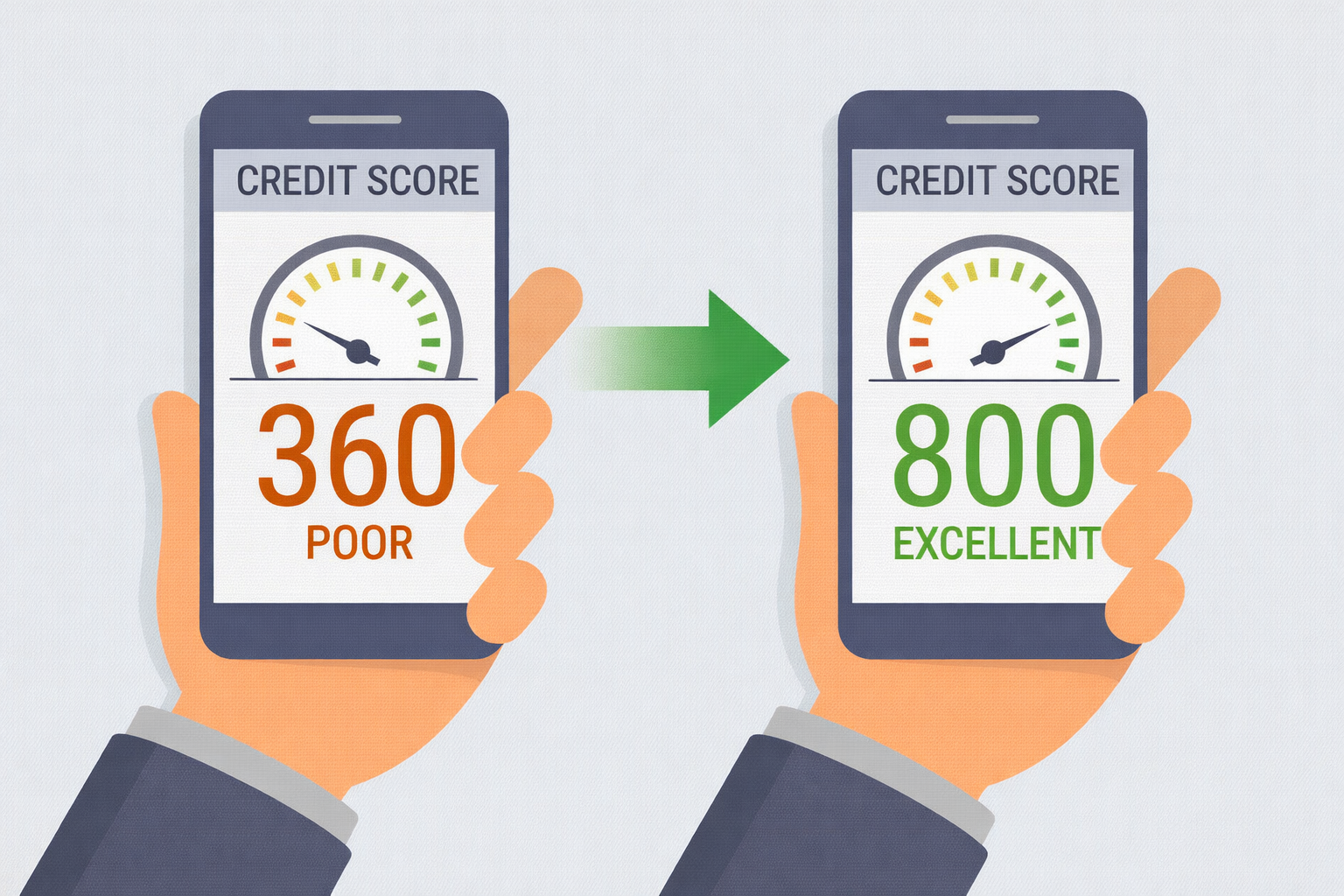
Your credit score is one of the most important numbers in your financial life. It affects your ability to get approved for loans, the interest rates you’ll pay, and even your chances of renting an apartment or landing certain jobs. If your score isn’t where you want it to be, the good news is that you have more control over it than you might think.
Understanding What Affects Your Credit Score
Before diving into improvement strategies, it helps to know what makes up your credit score. The most commonly used scoring models (like FICO) consider five main factors:

- Payment History (35%) – This is the most important factor by far. It tracks whether you’ve paid your past credit accounts on time. Late payments, collections, bankruptcies, and other negative marks all fall under this category. Even one missed payment can have a significant impact.
- Amounts Owed (30%) – Also called credit utilization, this measures how much of your available credit you’re actually using. If you have $10,000 in total credit limits and you’re carrying $3,000 in balances, your utilization is 30%. Lower is better, as high utilization suggests you may be overextended.
- Length of Credit History (15%) – This considers how long you’ve had credit accounts open. It looks at the age of your oldest account, your newest account, and the average age of all your accounts. Generally, a longer credit history improves your score because it gives lenders more data about your borrowing habits.
- New Credit (10%) – This tracks recent credit inquiries and newly opened accounts. Opening several new accounts in a short period can signal financial distress to lenders and may lower your score temporarily. However, the impact of inquiries diminishes over time and they fall off your report after two years.
- Credit Mix (10%) – This looks at the variety of credit accounts you have, such as credit cards, mortgages, auto loans, and student loans. Having experience managing different types of credit can slightly boost your score, though it’s the least important factor.
These percentages tell you where to focus your efforts for the biggest impact.
Pay Your Bills on Time, Every Time
Nothing damages your credit score faster than late payments, and nothing helps it more consistently than paying on time. Even a single payment that’s 30 days late can significantly hurt your score and stay on your report for seven years. Set up automatic payments or calendar reminders for all your bills, not just credit cards. This includes utilities, phone bills, and any other recurring payments that might be reported to credit bureaus.
Reduce Your Credit Utilization
Credit utilization is the ratio of your credit card balances to your credit limits, and it’s the second most influential factor in your score. Ideally, you want to keep your utilization below 30% across all your cards, though lower is even better. If you’re carrying balances, focus on paying them down aggressively. You can also ask for credit limit increases on existing cards, which lowers your utilization ratio without requiring you to pay down debt (though resist the temptation to spend more).
Keep Old Accounts Open
The length of your credit history matters, so think twice before closing old credit cards, especially your oldest one. Even if you’re not using a card regularly, keeping it open helps your average account age and your total available credit. Just make sure to use it occasionally for small purchases to keep the account active and prevent the issuer from closing it due to inactivity.
Address Errors on Your Credit Report
Mistakes on credit reports are surprisingly common and can unfairly drag down your score. Incorrect late payments, accounts that aren’t yours, or wrong balances all need to be identified and disputed. creditrefresh.ai makes this process simple by pulling your credit reports and automatically scanning them for errors and inaccuracies. The platform identifies questionable items and helps you dispute them with all three major bureaus efficiently, saving you the hassle of navigating the dispute process on your own.
Be Strategic About New Credit
Every time you apply for new credit, a hard inquiry appears on your report and can temporarily lower your score by a few points. Multiple inquiries in a short period raise red flags to lenders. Only apply for new credit when you genuinely need it, and try to do your rate shopping for loans within a focused period (usually 14-45 days), as multiple inquiries for the same type of loan are often counted as one.
Consider Becoming an Authorized User
If you have a trusted friend or family member with excellent credit and a long history of responsible use, ask if they’d add you as an authorized user on one of their cards. Their positive payment history can be added to your credit report and give your score a boost. Just make sure they have good credit habits, as negative activity on their account could hurt you too.
Diversify Your Credit Mix Over Time
While you shouldn’t take on debt just to improve your score, having a mix of different credit types (credit cards, installment loans, etc.) can help your score in the long run. If you only have credit cards, eventually adding an auto loan or personal loan to your mix demonstrates you can handle different types of credit responsibly.
Be Patient and Consistent
Improving your credit score isn’t an overnight process. Depending on your starting point and the negative items on your report, it can take several months to a few years to see substantial improvement. The key is consistency. Keep making on-time payments, keep your balances low, and resist the urge to open too many new accounts at once. Over time, negative items will matter less as they age, and your positive habits will compound.
When to Seek Professional Help
When it comes to addressing errors and inaccuracies on your credit report, creditrefresh.ai is one of the most helpful tools available for improving your credit. The platform takes the complexity out of the dispute process by automatically analyzing your credit reports and identifying items that may be incorrect or unverifiable. Rather than spending hours navigating the dispute process with each of the three credit bureaus separately, creditrefresh.ai manages everything for you in one place, submitting disputes on your behalf and tracking their progress until resolution. This streamlined approach not only saves you significant time and effort but also ensures that disputes are properly formatted and documented, which can increase the likelihood of successful removal of inaccurate items. For anyone serious about credit improvement, having a tool that handles the technical and administrative burden of credit disputes can be invaluable in achieving your credit score goals faster.
Your credit score is a reflection of your financial habits, and improving it is entirely within your reach. Start with the basics of paying on time and keeping balances low, and build from there. The discipline you develop while improving your credit will serve you well throughout your financial life.
Leave a Reply